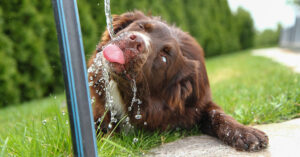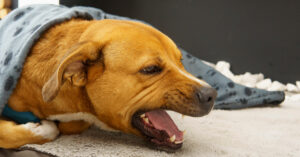
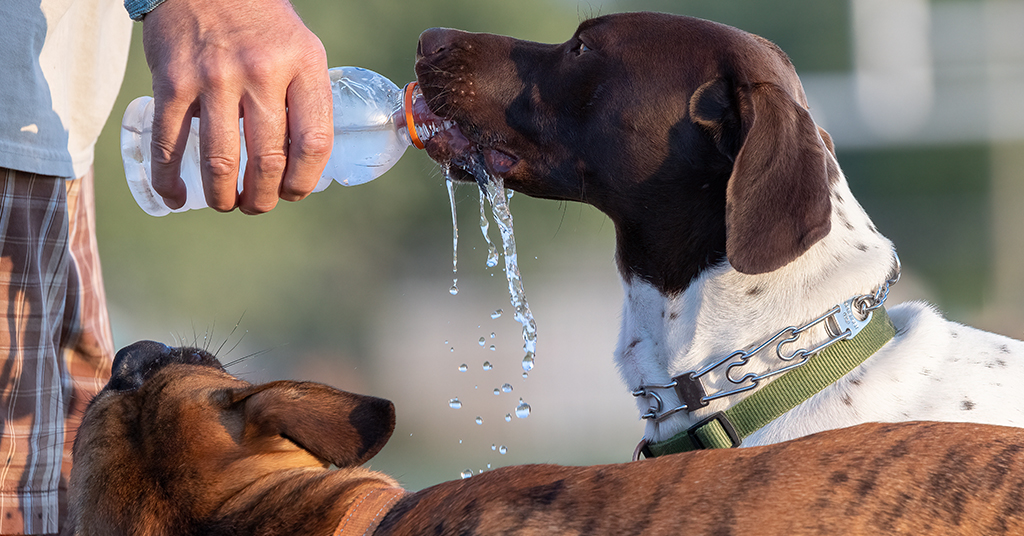
The earliest dog heatstroke signs include heavy, frantic panting, thick drool, a bright red tongue or gums, and restlessness as your dog searches for shade or water. When these early warnings progress to vomiting, stumbling, or collapse, heatstroke has become a life-threatening emergency that needs a veterinarian right away.
Dogs can’t sweat the way people do. They rely mostly on panting to release heat, which makes them far more vulnerable to overheating than many owners realize. Here in Northern Colorado, intense high-altitude sun, dry air, and warm afternoons on the trail can push a dog’s body temperature up faster than you might expect. In this guide, our team at Berthoud Animal Hospital explains how to recognize dog heatstroke signs early, what causes heatstroke, how veterinarians diagnose and treat it, and what you can do to protect your dog all year long.
What Are the Early Dog Heatstroke Signs?
Heatstroke rarely strikes without warning, and the first clues are often easy to miss if you don’t know what to watch for. Spotting dog heatstroke signs in the early stage gives your pet the best possible chance of a full recovery.
Early Warning Signs
In the beginning, an overheating dog may simply look like a dog that played a little too hard. Pay close attention if your dog shows:
- Rapid, loud panting that doesn’t slow down after resting
- Thick, ropey saliva or excessive drooling
- A dark red or bright pink tongue and gums
- Restlessness, pacing, or repeatedly seeking shade, cool floors, or water
- Reluctance to keep walking or a sudden refusal to follow commands
Signs Heatstroke Is Becoming an Emergency
As body temperature climbs, internal organs begin to suffer damage. Advanced dog heatstroke signs include vomiting or diarrhea (sometimes with blood), wobbly or uncoordinated movement, confusion, gums that turn pale, gray, or bluish, seizures, and collapse. A dog that seems dazed or unresponsive is in critical condition. At this point, every minute matters, so head to the nearest veterinary hospital immediately.
Why Early Signs Get Overlooked
Many dogs, especially high-energy breeds, will keep running, fetching, or hiking long after they’ve started to overheat because they want to please their people. Panting is also normal after exercise, so owners may not notice when it shifts from ordinary to excessive. Watching your dog’s behavior, not just their enthusiasm, is one of the most reliable ways to catch dog heatstroke signs before they escalate.
What Causes Heatstroke in Dogs?
Heatstroke happens when a dog’s body produces or absorbs more heat than it can release. A normal canine temperature sits between about 101 and 102.5°F, and heatstroke typically develops once it climbs above 104 to 106°F.
Common Situations That Lead to Overheating
Most cases of canine heatstroke trace back to a handful of everyday scenarios:
- Being left in a parked car, even with the windows cracked, on a mild 70-degree day
- Strenuous exercise, hiking, or running during the warmest part of the day
- Spending time outdoors without access to shade or fresh water
- Confinement in a hot garage, crate, or poorly ventilated room
- Walking on sun-baked pavement or sand, which radiates heat upward
A car’s interior can rise roughly 20 degrees within 10 minutes, which is why vehicles remain one of the most dangerous places for a dog in warm weather.
How Colorado’s Climate Plays a Role
Heatstroke isn’t only a concern in humid southern states. At Berthoud’s elevation, the sun feels stronger and the low humidity can make a hot afternoon seem deceptively comfortable for people. Dogs working hard on a dry trail lose moisture quickly through panting, and dehydration makes it even harder for them to shed heat. Spring and early fall can also catch owners off guard, since a sudden warm day arrives before dogs have adjusted to the higher temperatures. Staying alert to dog heatstroke signs on these in-between days is just as important as it is in July.
Dogs at Higher Risk
Some dogs overheat more easily than others. Flat-faced (brachycephalic) breeds such as Bulldogs, Pugs, Boston Terriers, and Boxers struggle to cool themselves through panting because of their shortened airways. Dogs with thick double coats, senior dogs, puppies, and dogs carrying extra weight also face a greater risk. Pets with heart disease, respiratory problems, or laryngeal paralysis, along with dogs recently relocated from lower elevations, may show dog heatstroke signs sooner and with less exertion than healthy, acclimated dogs.
How Do Veterinarians Diagnose and Treat Heatstroke?
Heatstroke is a true medical emergency, and professional veterinary care offers the best chance of survival. If you notice dog heatstroke signs, call your veterinarian at Berthoud Animal Hospital or the closest emergency hospital while you’re on the way so the team can prepare for your arrival and guide you during transport.
How the Diagnosis Is Made
Veterinarians diagnose heatstroke by combining your dog’s recent history with a physical exam and a rectal temperature reading. Because some dogs begin to cool down on the trip to the clinic, a normal temperature on arrival doesn’t rule heatstroke out. Your vet will rely heavily on what you share, such as how long your dog was in the heat, what activity they were doing, and which dog heatstroke signs you noticed first. Details like whether your dog vomited, how their gums looked, and roughly when symptoms started help the medical team judge how serious the episode is and which organs may need the closest monitoring.
Bloodwork and urine tests help reveal how the elevated temperature affected internal organs. Your veterinarian may check kidney and liver values, blood sugar, electrolytes, and blood clotting ability, since heatstroke can trigger a dangerous clotting disorder called disseminated intravascular coagulation (DIC).
What Treatment at the Hospital Involves
Veterinary treatment focuses on lowering body temperature in a controlled way and supporting the organs affected by the heat. Depending on your dog’s condition, care may include controlled cooling, intravenous fluids, oxygen therapy, medications to manage seizures or protect the stomach, and plasma transfusions for clotting problems. Most dogs require hospitalization and close monitoring for at least 24 to 48 hours, because complications can appear hours after the temperature returns to normal.
Recovery, Long-Term Management, and Heatstroke Prevention
Recovery from heatstroke depends on how high your dog’s temperature climbed, how long it stayed elevated, and how quickly treatment began. Many dogs that receive prompt care go on to live full, healthy lives, which is one more reason recognizing dog heatstroke signs early matters so much.
What to Expect During Recovery
After discharge, your veterinarian will likely recommend follow-up visits and repeat bloodwork to track kidney and liver function. Some dogs need a period of restricted activity while their bodies heal. It’s also important to know that a dog who has experienced heatstroke may be more susceptible to overheating in the future, so you’ll want to watch even more closely for dog heatstroke signs during warm weather and exercise from here on.
How to Lower Your Dog’s Risk
Prevention is far easier than treatment. Plan walks and hikes for early mornings or evenings, bring plenty of fresh water on outings, and build in frequent rest breaks in the shade. Test pavement with the back of your hand, and if it’s too hot to hold for seven seconds, it’s too hot for paws. Never leave your dog alone in a parked vehicle, even for a quick errand. Adjust activity levels for flat-faced breeds, seniors, and overweight dogs, and give dogs new to Colorado’s altitude time to acclimate.
Making Prevention Part of Wellness Care
Routine wellness exams help your veterinarian identify conditions like obesity, heart disease, or airway problems that raise heatstroke risk. Your vet can also help you plan a safe exercise routine for your dog’s breed, age, and fitness level, which makes it easier to enjoy the outdoors together without pushing past healthy limits.
Helping Your Dog Beat the Heat in Berthoud
Knowing the dog heatstroke signs puts you in a powerful position to protect your pet. Heavy panting, thick drool, and bright red gums are your cue to stop and pay attention, while vomiting, stumbling, or collapse mean it’s time to get to a veterinarian without delay. Fast action makes a real difference in how well a dog recovers from heat-related illness, and a little planning before warm-weather outings can keep a fun afternoon from turning into an emergency visit.
Berthoud Animal Hospital is proud to care for dogs and their families throughout Berthoud and the surrounding Northern Colorado communities. Whether you have questions about your dog’s heat tolerance, need a wellness exam before hiking season, or want guidance on caring for a heat-sensitive breed, our team is here to help. If you’re worried about dog heatstroke signs you’ve noticed, call us at (970) 532-2726.