
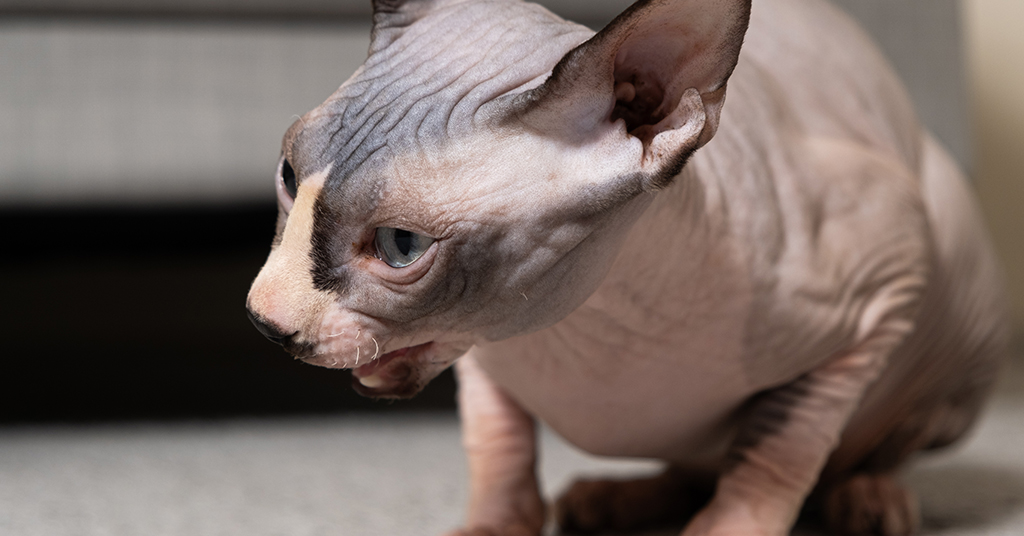
Cat coughing is most often caused by feline asthma, respiratory infections, airborne irritants, or parasites such as heartworms and lungworms. Hairballs are a common guess but are actually a less frequent cause, so a cat that coughs more than once in a while should be checked by a veterinarian. Many owners spot that crouched, neck-stretched hacking and assume a hairball is on the way. When nothing comes up, though, the sound may have a very different origin.
Coughing is a protective reflex that clears the airways, and in cats it often points to inflammation in the lungs or windpipe. Because cats are experts at hiding illness, a cough may be one of the only outward clues that something is wrong. In this blog, our veterinary team at Berthoud Animal Hospital breaks down what cat coughing looks like, the triggers behind it, the right next steps when you hear it, and how veterinarians uncover the cause and manage it.
What Is Cat Coughing, and How Is It Different From a Hairball?
Recognizing a true cough is the first step toward figuring out why it’s happening. The posture and outcome give you useful clues.
What a Coughing Cat Looks Like
A coughing cat usually hunches low to the ground with the elbows out and the head and neck extended forward. You’ll hear a dry hacking, wheezing, or honking sound, often repeated several times in a row. The episode ends without anything being produced, or with a swallow at the end. That crouched pose is the reason so many owners mistake cat coughing for an attempt to bring up hair.
Hairballs, Gagging, and Retching
Bringing up a hairball involves the digestive tract, not the airways. The belly heaves in rhythmic waves, and the episode typically ends with a tube of hair, food, or fluid on the floor. A cat that hacks repeatedly yet never produces anything is more likely coughing than vomiting.
Wet vs. Dry Coughs
Veterinarians often describe a cough as either productive (wet) or nonproductive (dry). A wet cough may sound gurgly and can suggest fluid or mucus in the airways, as with pneumonia. A dry, wheezy cough is more typical of airway inflammation such as asthma. Noting which type you hear, how often it happens, and what time of day it occurs gives your vet a head start. A quick phone recording is especially helpful here, because cats rarely cough on command once they’re on the exam table.
Why Is My Cat Coughing? Common Triggers
Several conditions can cause a cough in cats, ranging from a passing irritation to a lifelong condition that needs ongoing care. These are the triggers veterinarians encounter most often.
Feline Asthma and Allergic Airway Disease
Asthma is one of the leading causes of chronic cat coughing and affects an estimated 1 to 5 percent of cats. Inhaled allergens trigger inflammation that narrows the small airways, leading to coughing, wheezing, and sometimes labored breathing. Cats between two and eight years old are diagnosed most often, and Siamese and Himalayan cats appear to be predisposed. Flare-ups can come and go with the seasons, so cat coughing that seems to disappear for weeks may return when pollen counts rise or the furnace kicks on in the fall.
Infections, Parasites, and Other Causes
Other common culprits include:
- Viral or bacterial respiratory infections, including bronchitis and pneumonia
- Heartworm disease, which in cats can cause heartworm-associated respiratory disease (HARD) even from just a few worms
- Lungworms, often picked up by outdoor cats that hunt birds, rodents, or snails
- Airborne irritants like cigarette smoke, dusty litter, wildfire smoke, and aerosol sprays
- Something inhaled, such as a grass blade lodged in the airway
- Growths or tumors in the lungs or chest, more often seen in senior cats
What About Heart Disease?
In dogs, heart disease frequently causes coughing. Cats are different. Cats with heart disease more often show rapid or labored breathing than a cough, which is one reason any change in your cat’s breathing deserves attention.
What to Do If Your Cat Is Coughing
The right response depends on how often the cough happens and what other symptoms come with it. A rare, single cough after sniffing something dusty is very different from daily hacking spells.
When to Schedule a Veterinary Visit
Book an appointment if your cat:
- Coughs more than occasionally, or the cough persists beyond a few days
- Has coughing spells that are becoming longer or more frequent
- Seems less playful, eats less, or loses weight
- Spends time outdoors and isn’t on a monthly parasite preventive
When Cat Coughing Becomes an Emergency
Cat coughing paired with breathing trouble is always urgent. Seek immediate veterinary care if your cat breathes with an open mouth, pants, moves the belly forcefully with each breath, or has gray, pale, or bluish gums. These signs can mean a severe asthma attack or fluid in the chest, and they shouldn’t wait until morning.
Details to Share With Your Veterinarian
Before the appointment, jot down when you first noticed the cough and whether it seems tied to a certain time of day, a room in the house, or a recent change like new carpet, a different litter brand, or a smoky stretch of weather. Mention any other pets with similar symptoms, too. These observations can help your vet narrow down the source of cat coughing much faster, sometimes reducing how much testing your cat needs.
What Not to Do at Home
Avoid giving your cat any human cough syrup, cold medicine, or pain reliever. Many common ingredients, including acetaminophen, are toxic to cats even in small amounts. Your veterinarian is the safest source for any medication your cat may need.
How Veterinarians Diagnose and Treat Cat Coughing
Because so many conditions share the same symptom, getting to the root cause usually takes a few steps. A clear diagnosis leads to a treatment plan that actually fits the problem.
Diagnosing the Cause
Your veterinarian begins with a detailed history, including your cat’s age, indoor or outdoor lifestyle, parasite prevention, and any changes at home. During the exam, your vet listens closely to the heart and lungs for crackles, wheezes, or murmurs. Chest X-rays are among the most valuable tools for evaluating cat coughing, since they can reveal patterns linked to asthma, pneumonia, fluid, or masses.
Additional testing may include bloodwork, heartworm antigen and antibody tests, fecal testing for lungworms, and an echocardiogram if heart disease is suspected. For some cats, a bronchoscopy or airway wash collects cells and fluid from the lungs to pinpoint inflammation or infection.
Treatment Options Your Vet May Recommend
Treatment is tailored to what the testing reveals. Asthma is typically managed long term with anti-inflammatory medications, which veterinarians may prescribe as inhalers given through a cat-friendly spacer and mask, along with bronchodilators for flare-ups. Bacterial infections may call for antibiotics, while parasites are addressed with appropriate dewormers.
Heartworm disease in cats has no approved cure, so veterinarians focus on supportive care and strongly emphasize year-round prevention. Reducing household irritants, such as switching to a low-dust litter and avoiding smoke exposure, often supports the medical plan. Many cats with chronic airway disease live comfortable, active lives with regular rechecks.
Getting to the Bottom of Your Cat’s Cough in Berthoud
An occasional cough isn’t always cause for worry, but frequent or worsening cat coughing is your cat’s way of signaling that the airways need attention. Paying attention to the sound, the frequency, and any changes in breathing helps you act at the right time, and early care often makes long-term conditions like asthma much easier to manage. With the right diagnosis, most coughing cats can get back to napping in sunbeams and chasing toys without a struggle to breathe.
Berthoud Animal Hospital welcomes cats and their families from Berthoud and the surrounding Northern Colorado communities. Whether your cat needs a cough evaluated, a parasite prevention plan, or a recheck for an ongoing airway condition, our team is ready to help your cat breathe comfortably. Call (970) 532-2726 to schedule a visit.