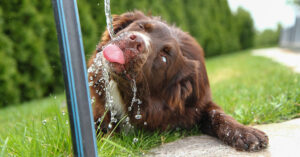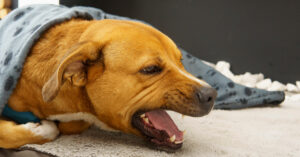
If you’re asking “Why is my dog drooling so much?” the answer often comes down to breed, excitement, or the anticipation of food, all of which are normal. A sudden increase in drool, however, can signal dental disease, nausea, heatstroke, a foreign object in the mouth, or exposure to a toxin such as a cane toad. Knowing the difference between everyday slobber and a red-flag change helps you decide when your dog needs veterinary care.
Some dogs leave a trail of drool on every couch cushion, while others rarely wet their chins. What matters most is your own dog’s normal. When owners call us asking, “Why is my dog drooling so much?” one of our first questions is whether the change happened suddenly or gradually. At Keystone Animal Hospital in Bradenton, FL, we help families figure out whether extra drool is harmless or a sign of something more serious. This guide covers why dogs drool, the most common medical causes, which situations count as emergencies, and how veterinarians diagnose, treat, and help prevent excessive drooling.
Why Do Dogs Drool?
Saliva plays an important role in your dog’s health, so some drool is completely expected.
Saliva Has a Job to Do
Saliva moistens food, makes swallowing easier, and begins the digestive process. It also helps rinse the mouth and protect the teeth and gums. Dogs produce more saliva when they smell or see something tasty, which is why many pups start dripping the moment you open the treat jar or start cooking dinner. Excitement, a car ride to a favorite park, or a new toy can trigger the same response.
Breeds Built to Drool
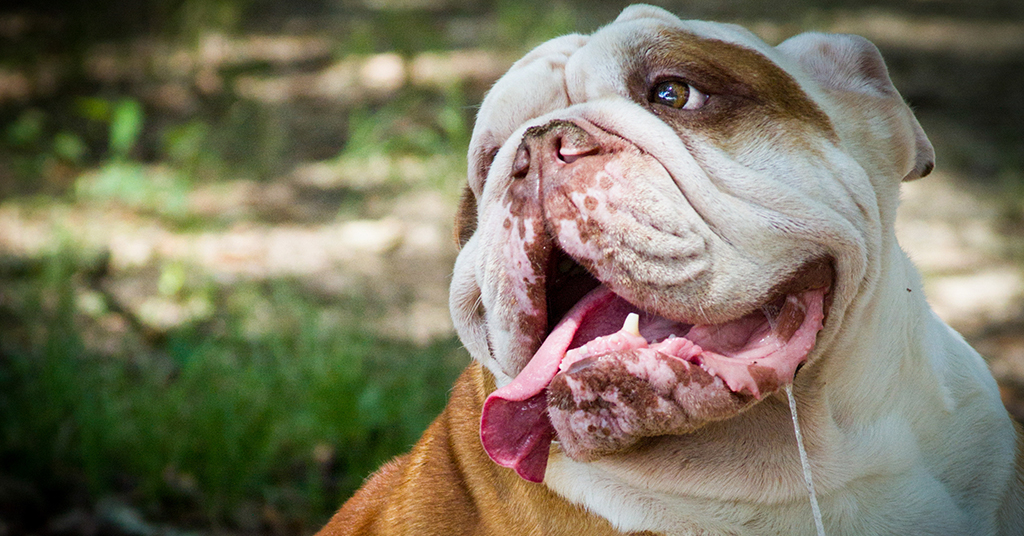
Anatomy also matters. Dogs with loose, droopy lips and jowls can’t hold saliva in their mouths as well, so it spills out instead. Breeds known for heavy drooling include:
- Saint Bernards and Newfoundlands
- English Mastiffs and Bullmastiffs
- Bloodhounds and Basset Hounds
- Boxers and Bulldogs
- Dogue de Bordeaux and Great Danes
For these dogs, a steady stream of slobber is part of everyday life. If you own one of these breeds and find yourself wondering why your dog is drooling so much, the answer may simply be genetics. Still, a noticeable jump from their usual level deserves attention, even in a naturally drooly breed.
Why Is My Dog Drooling a Lot?
When drool increases suddenly or seems out of character, a health issue is often the reason behind it.
A helpful way to think through “Why is my dog drooling so much?” is to look at timing and patterns. Drooling that only happens in the car points in a different direction than drooling that started after a walk in the yard or that has slowly worsened over several weeks. Noting these details gives your veterinarian a head start.
Mouth and Dental Problems
Dental disease is one of the most common answers to the question of “Why is my dog drooling so much?” Painful, inflamed gums, broken teeth, and tooth root abscesses all trigger extra saliva. You may also notice bad breath, chewing on one side, pawing at the face, or reluctance to eat hard food. Sticks, bones, splinters, and toy fragments can become wedged between teeth or across the roof of the mouth, causing sudden, heavy drooling. Oral growths and mouth injuries can have a similar effect.
Nausea and Digestive Upset
Dogs often drool before they vomit. When a dog is drooling so much only during car rides, motion sickness is a likely culprit. Eating something they shouldn’t have and conditions affecting the stomach, liver, or kidneys can also cause nausea. Lip licking, swallowing repeatedly, and restlessness frequently accompany nausea-related drooling.
Toxins, Heat, and Other Causes
Here in Southwest Florida, cane toads (also called Bufo toads) are a serious concern. When a dog bites or licks one, the toad releases a toxin that causes sudden, profuse drooling and can quickly become life-threatening. Toxic plants such as sago palms, household chemicals, and certain medications can also cause drooling. Heatstroke, anxiety, nervous system disorders, and problems with the esophagus or salivary glands round out the list of possible reasons.
Is Excessive Drooling in Dogs an Emergency?
Sometimes, yes. A dog drooling so much that saliva pools on the floor or soaks the chest can be showing the first visible sign of a medical emergency, so pay close attention to what else is happening, including your dog’s gum color, breathing, and behavior.
Signs That Need Immediate Care
Contact your veterinarian or the nearest emergency hospital right away if heavy drooling comes with any of the following:
- Bright red gums, pawing at the mouth, or stumbling after contact with a toad
- Seizures, trembling, or collapse
- Heavy panting, weakness, or confusion after time in the heat
- A swollen, tight belly combined with unproductive retching, which can signal bloat
- Difficulty breathing or choking sounds
- Facial swelling or hives
- Known or suspected ingestion of a toxic substance
When to Schedule a Prompt Appointment
Drooling that develops gradually, lasts more than a day, or comes with bad breath, a reduced appetite, or vomiting should be checked soon, even if your dog otherwise seems comfortable. If you’re unsure whether your dog’s symptoms are urgent, call Keystone Animal Hospital at for guidance. Avoid trying to look deep into a painful dog’s mouth or remove an object yourself, as even gentle dogs may bite when they hurt.
How Veterinarians Diagnose and Treat Excessive Drooling in Dogs
Finding out why your dog is drooling so much starts with a careful look at the whole dog, not just the mouth.
The Diagnostic Process
Your veterinarian will ask about when the drooling began, what your dog may have chewed or eaten, and whether you’ve noticed other changes in behavior, appetite, or energy. A thorough oral exam can reveal dental disease, injuries, growths, or lodged objects. Depending on the findings, your veterinarian may recommend bloodwork to evaluate organ function, X-rays to check for foreign objects or dental problems below the gumline, or a sedated oral exam for a more complete view of the mouth and throat.
Bringing details to the appointment can make the visit more productive. If your dog may have eaten a plant, chemical, or medication, bring the packaging or a photo. A short video of the drooling episode can also help, especially if it comes and goes. With this information, our veterinary team can answer the question of why your dog is drooling so much more quickly and accurately.
Treatment Depends on the Cause
Because excessive drooling is a symptom rather than a disease, treatment focuses on the underlying problem. A dog with advanced dental disease may need a professional cleaning under anesthesia, along with extraction of damaged teeth. Foreign objects are removed, often with sedation. Dogs with nausea may receive prescription anti-nausea medication, and dogs exposed to toxins or suffering from heatstroke may need hospitalization, IV fluids, and close monitoring. Once the root cause is addressed, drooling typically returns to normal. Never give your dog human medications to control nausea or drooling without veterinary direction.
Preventing Excessive Drooling in Dogs
You can’t stop a Mastiff from being a Mastiff, but you can reduce the risk of the medical problems that cause abnormal drooling. Regular dental exams and veterinarian-recommended home dental care help prevent painful oral disease. Supervise outdoor time at dusk and after rain, when cane toads are most active, and keep sago palms, chemicals, and medications out of reach. Offer shade and water during Florida’s hot months, and choose safe chew toys over sticks and bones. Routine wellness visits also allow your veterinarian to catch early dental or medical changes before they lead to a dog drooling so much that it becomes a concern.
If you still find yourself asking, “Why is my dog drooling so much?” our team at Keystone Animal Hospital is ready to help. We provide thorough exams, dental care, and same-day guidance for Bradenton dog owners. Call us at 970-532-2726 to schedule an appointment and get answers.