It often happens suddenly. Your dog stops what they’re doing, stretches their neck forward, and begins making a loud snorting or honking noise that sounds almost like they’re struggling to breathe. For many pet owners, this moment can be alarming. In most cases, however, what you’re hearing is a dog reverse sneeze, a common respiratory reflex that usually resolves on its own within seconds. Reverse sneezing in dogs occurs when air is rapidly pulled inward through the nose instead of pushed outward like a typical sneeze. While the sound may seem dramatic, these episodes are usually harmless and short-lived. Learning what causes reverse sneezing in dogs, what it sounds like, and when veterinary care may be appropriate can make the experience far less stressful for you and your pet.
What Is Reverse Sneezing in Dogs?
Reverse sneezing in dogs refers to a temporary respiratory reflex known as paroxysmal respiration, where a dog rapidly pulls air into the nose while producing a loud snorting or honking sound. Unlike a normal sneeze that expels air outward, a dog reverse sneeze pulls air inward in quick bursts. This reflex typically occurs when something irritates the back of the nasal passages or soft palate.
During an episode, your dog may appear startled or briefly uncomfortable, but most dogs remain alert and aware of their surroundings. The episode usually lasts anywhere from a few seconds to about a minute before resolving naturally. Many pet owners describe the experience as frightening at first because the sound resembles choking or gasping. Once you understand what reverse sneezing in dogs looks and sounds like, it becomes easier to recognize that the event is typically temporary and not dangerous.
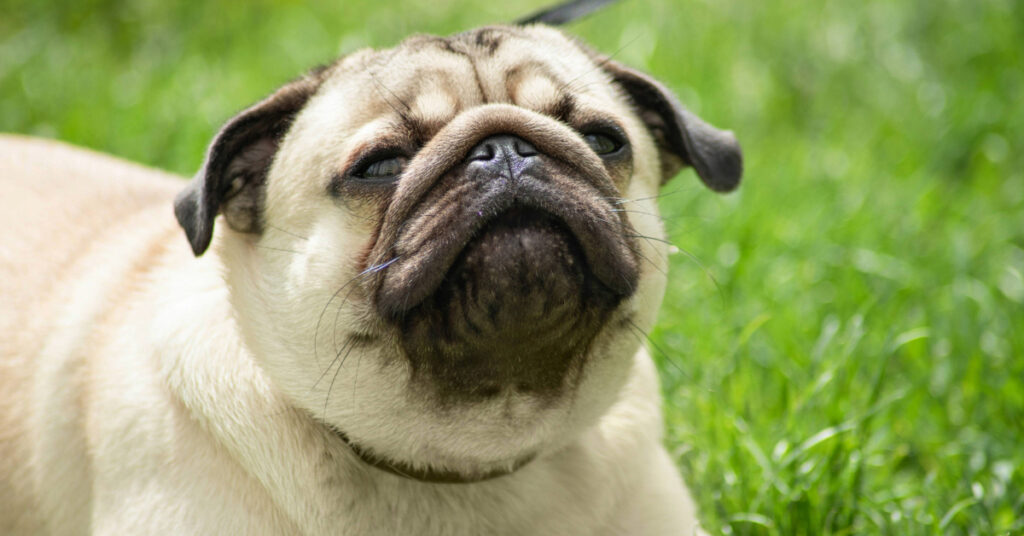
Dogs of any breed can experience reverse sneezing, but veterinarians often see it more frequently in small and brachycephalic breeds, including Pugs, Shih Tzus, and Chihuahuas. These breeds may have anatomical features that make the soft palate more likely to become irritated. That said, larger breeds can experience the reflex as well, especially if something stimulates the nasal passages.
Why Do Dogs Reverse Sneeze?
A dog reverse sneeze usually occurs when the tissues at the back of the throat or nasal passages become irritated. The body reacts by triggering a reflex that quickly pulls air inward, which may help clear the irritation. While the episode may appear dramatic, the underlying trigger is often something relatively minor.
Common triggers for reverse sneezing in dogs include:
- Environmental irritants, such as dust, pollen, smoke, or strong scents
- Excitement or sudden activity, especially during playtime
- Pulling on a collar or leash, which can stimulate throat tissues
- Post-nasal drip or mild nasal irritation
- Rapid temperature changes, such as moving from cold outdoor air to a warm indoor environment
Many dogs experience reverse sneezing episodes occasionally throughout their lives without any underlying illness. Seasonal allergies or environmental changes can increase how often episodes occur. Because these triggers are often temporary, the reverse sneeze usually stops once the irritation passes.
What Does Reverse Sneezing in Dogs Sound Like?
The sound of a dog reverse sneeze can be startling if you’ve never heard it before. Many pet owners describe it as a loud snorting, honking, or gasping noise. Dogs often stand still during the episode with their elbows slightly spread apart and their neck extended forward.
A dog experiencing reverse sneezing may show several recognizable behaviors. These signs often appear suddenly and disappear just as quickly.
- Rapid inhaling through the nose
- Snorting or honking sounds
- A stiff posture with the neck extended
- Flared nostrils
- Brief episodes lasting seconds to about a minute
Even though the sound can resemble breathing distress, most dogs recover immediately afterward and return to normal activity. If you’re unsure whether your dog is experiencing reverse sneezing or another type of breathing problem, recording a short video on your phone can be extremely helpful for your veterinary team.
How to Stop Reverse Sneezing in Dogs
Most reverse sneezing episodes stop on their own without intervention. In many cases, simply remaining calm and allowing the episode to pass is the best approach. Dogs often resolve the irritation naturally once the reflex cycle ends.
Some pet owners find that gentle techniques can sometimes shorten an episode by encouraging the dog to swallow or reset their breathing pattern. These methods should always be gentle and never forceful.
Common approaches that may interrupt a reverse sneeze episode include:
- Speaking calmly and reassuring your dog
- Lightly massaging the throat area
- Briefly covering the nostrils for a moment to encourage swallowing
- Encouraging your dog to take a sip of water after the episode
These steps may help the reflex pass more quickly in certain cases. If your dog reverse sneeze episodes occur frequently or seem to worsen over time, it’s a good idea to discuss the pattern with your veterinarian.
When to Go to The Vet for Reverse Sneezing
Although a dog reverse sneeze is usually harmless, certain signs may indicate the need for veterinary evaluation. Reverse sneezing that occurs only occasionally and resolves quickly is generally considered normal. However, changes in frequency, duration, or accompanying symptoms can signal a different issue.
Consider scheduling a veterinary visit if you notice:
- Reverse sneezing episodes happening very frequently
- Episodes lasting longer than a minute or becoming more intense
- Nasal discharge, especially if it appears thick or discolored
- Lethargy, coughing, or reduced appetite
- Signs that your dog may actually be choking or struggling to breathe
Veterinary teams often review a pet’s medical history, lifestyle, and environment to determine whether the reverse sneezing episodes are isolated reflexes or part of a broader respiratory concern.
How Do Vets Diagnose Reverse Sneezing in Dogs?
Diagnosing reverse sneezing in dogs often begins with a detailed conversation about what pet owners observe at home. Since episodes rarely occur during a veterinary appointment, descriptions or videos of the behavior can be very helpful.
Veterinarians typically evaluate several factors, including how often the dog reverse sneeze occurs, how long episodes last, and whether other symptoms are present. A physical exam helps rule out conditions affecting the nose, throat, or respiratory system.
If a veterinarian suspects additional causes for reverse sneezing, they may recommend diagnostic tests to gain more information.
- A physical examination of the nasal passages and throat
- Nasal or throat imaging, such as X-rays
- Allergy evaluation or environmental review
- Endoscopic examination in some cases to view the nasal passages more closely
These diagnostic steps help veterinarians rule out conditions such as nasal infections, foreign material in the nasal cavity, or structural abnormalities. In many cases, however, no serious cause is found, and the episodes remain classified as harmless reverse sneezing.
Dog Reverse Sneeze Treatment
Because most cases of reverse sneezing in dogs are benign, treatment is often unnecessary. Many dogs experience occasional episodes throughout their lives without needing medical intervention. The focus typically remains on identifying triggers and reducing irritation where possible.
For example, minimizing exposure to strong fragrances, smoke, or airborne irritants can sometimes reduce how often reverse sneezing occurs. Using a harness instead of a collar may also decrease throat irritation in dogs that pull on their leash.
When episodes become more frequent or persistent, a veterinarian may explore additional management options based on the underlying cause. Treatment strategies vary widely depending on whether the trigger relates to allergies, nasal inflammation, or anatomical factors.
When That Honking Noise Happens: Knowing When It’s Time to Check In
Hearing a dog reverse sneeze for the first time can be unsettling, especially when the sound seems dramatic or unfamiliar. In most situations, the episode passes quickly and leaves no lasting effects. Once pet owners understand what reverse sneezing is and what triggers it, the experience becomes far less alarming.
If your dog experiences frequent reverse sneezing episodes or you simply want reassurance, the team at Berthoud Animal Hospital in Berthoud, CO is here to talk through your concerns. Call 970-532-2726 or book an appointment online to discuss your dog’s respiratory health and get personalized guidance from our veterinary professionals.