
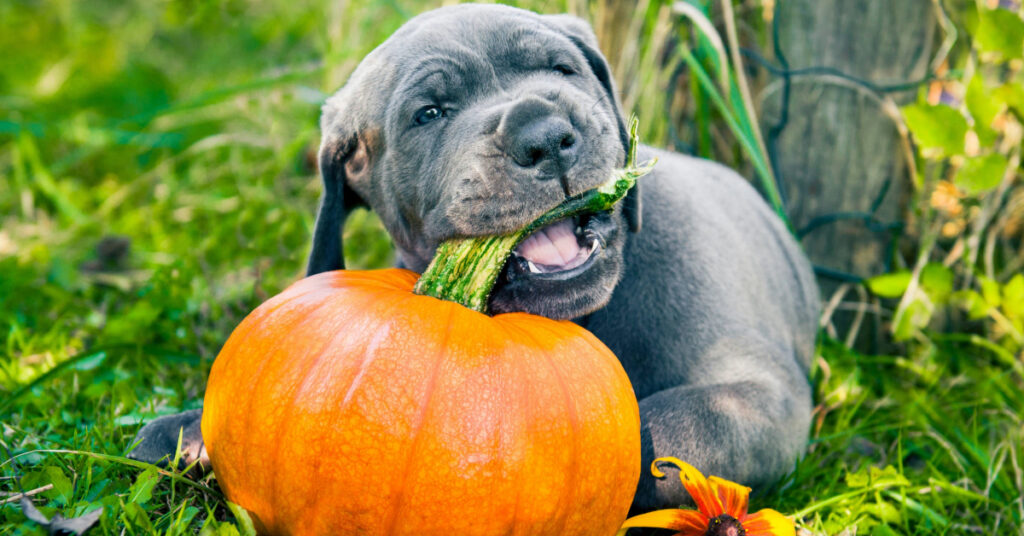
A crisp autumn walk in Berthoud often ends with pumpkins on front porches and seasonal treats in the kitchen. While preparing pumpkin pie or carving jack-o’-lanterns, many dog owners pause and wonder: can dogs eat pumpkin safely? The short answer is yes, pumpkin can be a nutritious addition to a dog’s diet when served correctly and in moderation. This bright orange squash contains fiber, vitamins, and moisture that may benefit digestion and overall wellness in dogs. The key lies in choosing the right type of pumpkin and feeding it appropriately. Understanding how pumpkin fits into your dog’s routine allows you to offer a seasonal treat that adds variety without upsetting their system.
Can Dogs Have Pumpkin?
Many pet owners ask our team a straightforward question during routine visits: can dogs have pumpkin, or is it just a trendy ingredient in pet food? Pumpkin is generally safe for dogs to eat when prepared properly. Plain pumpkin, whether fresh or canned, contains nutrients that complement a dog’s regular diet without introducing unnecessary additives. Because dogs digest fiber differently than people do, foods like pumpkin can sometimes help regulate normal digestive function when given in small amounts. That is one reason you will see pumpkin included in certain commercial dog foods and veterinary-recommended diets.
Pumpkin’s nutritional profile also makes it appealing from a veterinary standpoint. It contains vitamins A, C, and E, along with minerals such as potassium and iron. These nutrients contribute to normal immune function, healthy skin, and proper cell activity. Pumpkin also contains both soluble and insoluble fiber, which influences how food moves through the digestive tract. When pet owners ask whether dogs can eat pumpkin regularly, we often explain that it works best as a supplement to a balanced diet rather than a primary food source.
The most important factor is preparation. Dogs should eat plain pumpkin without sugar, spices, or artificial sweeteners. Many seasonal pumpkin recipes include ingredients such as nutmeg or xylitol-sweetened products that are not appropriate for dogs.
Can Dogs Eat Pumpkin Seeds?
Pumpkin seeds often spark curiosity among pet owners because they are commonly roasted as snacks for people. When someone asks our team “can dogs eat pumpkin seeds?”, the answer depends largely on preparation. Raw or lightly roasted pumpkin seeds without seasoning may be safe for some dogs when offered sparingly. However, many pumpkin seeds prepared for human consumption contain salt, oils, or spices that may irritate a dog’s digestive system.
Pumpkin seeds contain nutrients that mirror some of the benefits found in pumpkin flesh. They provide healthy fats, antioxidants, and trace minerals such as magnesium and zinc. These compounds support general metabolic health and may contribute to skin and coat condition.
Pet owners who want to offer pumpkin seeds should keep several precautions in mind:
- Choose plain, unsalted pumpkin seeds
- Avoid seeds cooked in oil or butter
- Offer small quantities rather than large servings
- Monitor your dog for digestive upset after trying a new food
Because every dog responds differently to new foods, moderation remains important. If your dog has a sensitive stomach or existing digestive concerns, discussing diet options with your veterinarian may help determine whether pumpkin seeds are appropriate.
Is Pumpkin Good for Dogs?
Pumpkin’s popularity in veterinary nutrition comes from its nutrient density and fiber content. When clients ask “is pumpkin good for dogs?”, we explain that this vegetable offers several qualities that complement a balanced canine diet. Pumpkin contains moisture, fiber, and vitamins that work together to support digestive health and metabolic function. Many commercial dog foods include pumpkin for this reason.
Several components of pumpkin contribute to its appeal for dogs:
- Dietary fiber, which supports healthy digestion
- Beta-carotene, converted by the body into vitamin A
- Antioxidants, which assist with normal cellular processes
- Potassium, a mineral involved in nerve and muscle activity
Fiber remains one of the most talked-about pumpkin benefits for dogs. Soluble fiber absorbs water and helps regulate the movement of food through the digestive tract. Insoluble fiber adds bulk and supports normal stool formation. This combination explains why pumpkin frequently appears in discussions about digestive balance in dogs.
Digestive Support and Fiber Benefits
Fiber plays a unique role in canine nutrition because it interacts with water and gut bacteria inside the digestive tract. Pumpkin’s fiber content can influence how quickly food moves through the system, which sometimes helps maintain normal digestion. Many pet owners notice that adding small amounts of pumpkin to meals provides variety and moisture that dry kibble alone may not offer.
Pumpkin also contains prebiotic fibers that feed beneficial gut bacteria. These bacteria contribute to a healthy intestinal environment and aid in nutrient absorption. Maintaining a stable digestive environment often helps dogs tolerate diet changes or occasional treats more comfortably.
Is Pumpkin Bad for Dogs?
Even nutritious foods have limits, and pumpkin is no exception. Too much pumpkin may cause digestive upset in some dogs. Excess fiber can lead to loose stools, stomach discomfort, or reduced appetite. This is why our team at Berthoud Animal Hospital emphasizes moderation whenever introducing new foods.
Another consideration involves the type of pumpkin used. Plain canned pumpkin typically works well, but pumpkin pie filling often contains sugar, spices, and preservatives. Ingredients such as nutmeg can irritate a dog’s digestive system, and some artificial sweeteners pose serious risks to pets.
How Much Pumpkin Can a Dog Have?
Portion size depends largely on the dog’s size, diet, and overall health. Pumpkin works best when offered in small amounts alongside a balanced meal. Because pumpkin contains fiber and moisture, introducing too much at once may disrupt normal digestion.
General portion guidelines often look like this:
- Small dogs: About 1 teaspoon of plain pumpkin
- Medium dogs: Around 1–2 tablespoons
- Large dogs: Up to 2–3 tablespoons
Pet owners should also keep treats, including pumpkin, within a reasonable percentage of daily caloric intake. Maintaining balance helps ensure that occasional additions like pumpkin complement the primary diet rather than replacing it.
How To Safely Feed Pumpkin to Dogs
When introducing any new food, preparation and moderation make a meaningful difference. If you are wondering how to safely feed pumpkin to dogs, a few simple steps help ensure a positive experience. Choosing the right type of pumpkin and preparing it correctly helps avoid unnecessary digestive upset.
Safe pumpkin feeding practices include:
- Use plain canned pumpkin or cooked fresh pumpkin
- Avoid pumpkin pie filling or products with spices
- Start with small portions and increase gradually
- Mix pumpkin into regular meals rather than feeding it alone
Simple Ways to Add Pumpkin to Your Dog’s Diet
Many dogs enjoy pumpkin because of its naturally mild flavor and soft texture. Pet owners often mix a spoonful of pumpkin into kibble, blend it into homemade dog treats, or freeze small portions into bite-sized snacks. Frozen pumpkin cubes can provide a refreshing treat during warmer months while offering a different texture for curious dogs.
Pumpkin may also work well as a topper when dogs lose interest in their regular meals. The moisture and flavor can make kibble more appealing without introducing artificial ingredients. Rotating small amounts of pumpkin into meals occasionally adds variety while keeping the diet balanced.
Pumpkin on the Menu: A Seasonal Treat Dogs Can Enjoy
Pumpkin brings more to the table than autumn decorations. For many dogs, it offers a flavorful and nutritious addition to a balanced diet when prepared correctly and served in moderation. Pet owners who ask can dogs eat pumpkin often discover that this simple vegetable provides fiber, vitamins, and hydration that complement everyday meals. Understanding portion sizes, preparation methods, and ingredient labels helps ensure that pumpkin remains a positive addition rather than an accidental source of digestive trouble.
If you have questions about your dog’s nutrition, digestion, or diet changes, the veterinary team at Berthoud Animal Hospital is always happy to discuss options. Call 970-532-2726 or book an appointment online to speak with our team about your pet’s health and nutritional needs.