Kennel cough in dogs is a highly contagious respiratory infection that inflames the windpipe and airways, causing a harsh, honking cough. It is usually triggered by a mix of bacteria and viruses, most commonly Bordetella bronchiseptica and canine parainfluenza virus, and spreads quickly wherever dogs gather. Despite the name, your dog doesn’t need to visit a boarding kennel to catch it. Dog parks, grooming salons, training classes, doggy daycare, and even a friendly sniff on a neighborhood walk can all expose your pup.
Veterinarians often refer to the condition as canine infectious respiratory disease complex (CIRDC) or infectious tracheobronchitis, since several germs can cause the same symptoms. Most healthy adult dogs recover well, but puppies, seniors, and dogs with other health concerns can develop complications. Below, our team at Berthoud Animal Hospital explains how to recognize kennel cough in dogs, what causes it, how veterinarians diagnose and treat it, and how to lower your dog’s risk.
What Are the Symptoms of Kennel Cough in Dogs?
The hallmark symptom is a cough that sounds far worse than it usually is. Learning the full picture helps you tell a mild case from one that needs prompt attention.
The Classic Honking Cough
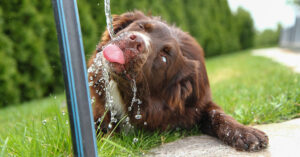
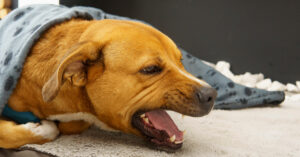
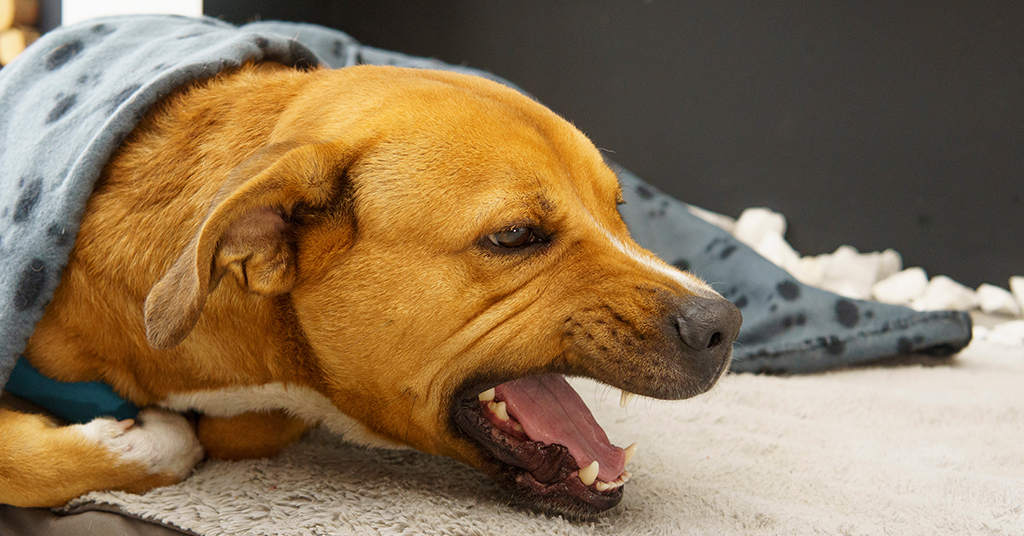
Most owners describe the cough as a goose-like honk or a dry hack, as if something is stuck in the dog’s throat. Coughing fits often end with gagging or retching up a small amount of white foam, which many people mistake for vomiting. Excitement, exercise, drinking water, or light pressure from a collar can set off a spell.
Other Signs That May Appear
Along with the cough, dogs with kennel cough may show:
- A runny nose or watery eyes
- Sneezing
- A mild drop in energy
- Slightly reduced appetite
- A low-grade fever
Symptoms typically show up anywhere from 2 to 14 days after exposure, and mild cases often last one to three weeks.
When Symptoms Point to Something More Serious
Sometimes kennel cough in dogs progresses to pneumonia. A cough that turns wet or productive, thick yellow or green nasal discharge, fast or labored breathing, a refusal to eat, or significant lethargy are all signs your dog needs a veterinarian quickly. Puppies, senior dogs, flat-faced breeds, and dogs with weakened immune systems face a greater risk of these complications.
Is It Kennel Cough or Something Else?
A honking cough doesn’t always mean kennel cough in dogs. A collapsing trachea, common in small breeds like Yorkshire Terriers and Pomeranians, can create a very similar sound. Heart disease, allergies, a foreign object in the airway, and canine influenza can also cause coughing. Recent contact with other dogs makes kennel cough more likely, but only a veterinary exam can sort out the true cause.
What Causes Kennel Cough, and How Does It Spread?
Kennel cough isn’t caused by a single germ. Instead, it describes an illness that one or more bacteria and viruses can trigger, often working together.
The Germs Behind the Cough
The most frequent culprits are Bordetella bronchiseptica, canine parainfluenza virus, canine adenovirus type 2, canine respiratory coronavirus, and Mycoplasma species. Canine influenza can produce similar symptoms and is sometimes grouped into the same complex. When a virus damages the protective lining of the airways, bacteria can move in more easily, which is why mixed infections are so common.
How Dogs Catch It
Kennel cough in dogs spreads through airborne droplets when an infected dog coughs or sneezes, through direct nose-to-nose contact, and through shared items like water bowls and toys. Places where transmission is especially common include:
- Boarding facilities and doggy daycare centers
- Dog parks and off-leash trails
- Grooming salons
- Training classes, dog shows, and sporting events
- Animal shelters and rescue facilities
Why Some Dogs Get Sicker Than Others
Crowding, stress, poor ventilation, and cold temperatures all make it easier for these germs to take hold. A dog can also shed bacteria or viruses before showing any signs and for a period after symptoms fade, which explains how kennel cough moves so quickly through groups of dogs. Outbreaks of kennel cough in dogs often follow busy travel seasons, when boarding facilities fill up and many dogs from different households share the same air and play spaces for days at a time.
How Is Kennel Cough Diagnosed and Treated?
Because several respiratory illnesses can look alike, a veterinary visit is the best way to confirm what’s going on and decide on the right level of care. Call ahead before your appointment so our team can take steps to protect other patients from exposure.
Reaching a Diagnosis
In many cases, veterinarians diagnose kennel cough in dogs based on the history and a physical exam. Your vet will ask about recent boarding, grooming, daycare, or other contact with dogs, and will listen carefully to the lungs. Gently pressing on the windpipe often triggers the characteristic cough. When symptoms are severe, unusual, or slow to improve, your veterinarian may recommend chest X-rays to look for pneumonia, bloodwork to assess overall health, or a PCR respiratory panel that identifies the specific bacteria or viruses involved. These tests also help rule out other causes of coughing, such as heart disease, a collapsing trachea, or canine influenza.
Treatment Approaches
Treatment for kennel cough in dogs depends on how sick your pet is. Many mild cases resolve on their own with rest, while your veterinarian monitors progress. For dogs with a persistent or disruptive cough, your vet may prescribe medication to calm the cough. Antibiotics may be recommended if a bacterial infection is suspected or pneumonia develops. Dogs with severe illness sometimes need hospitalization for IV fluids, oxygen support, and nebulization. Always follow your veterinarian’s guidance, and never give your dog human cough medicine, since some ingredients can be dangerous for dogs.
Recovery, Management, and Kennel Cough Prevention
Most cases of kennel cough in dogs clear up completely, and a few simple habits can lower the odds of infection in the first place. Your veterinarian is your best partner in both recovery and prevention.
Supporting Your Dog Through Recovery
While your dog recovers, follow your veterinarian’s instructions closely and schedule a recheck if the cough lingers beyond a couple of weeks or seems to worsen. Keep your dog away from other dogs during the illness and for as long afterward as your vet recommends, since dogs can stay contagious even after the coughing stops. That means skipping daycare, group classes, dog parks, and grooming appointments for a while. Let your boarding facility or groomer know if your dog becomes sick shortly after a visit so they can protect other pets.
Vaccines That Help Protect Your Dog
Vaccination is one of the most effective ways to reduce the risk of kennel cough in dogs. The Bordetella vaccine is available in intranasal, oral, and injectable forms, and many boarding facilities, groomers, and daycares require it. The core DAPP vaccine protects against canine adenovirus type 2 and parainfluenza, two common contributors to the illness. A canine influenza vaccine may also be recommended for social dogs. No vaccine prevents every case, because so many germs are involved, but vaccinated dogs usually experience milder symptoms and recover faster.
Everyday Prevention Habits
Ask your veterinarian how far in advance to vaccinate before boarding or travel, since protection takes time to develop. Choose facilities with good ventilation and clear vaccination policies, and bring your own water bowl to busy parks and trailheads when possible.
Protecting Your Dog’s Respiratory Health in Berthoud
Kennel cough in dogs is common and usually mild, but it can become serious for puppies, older dogs, and pets with other health conditions. Recognizing that telltale honk, knowing when symptoms call for a closer look, and staying current on vaccines all go a long way toward helping your dog stay healthy and social. If you’re ever unsure whether a cough needs attention, a quick call to your veterinarian is always a reasonable first step.
Berthoud Animal Hospital cares for dogs and their families throughout Berthoud and the surrounding Northern Colorado communities. Whether your dog has started coughing after a boarding stay, needs a Bordetella vaccine before an upcoming trip, or could use a wellness exam, our team is happy to help. Call (970) 532-2726 to schedule an appointment.