
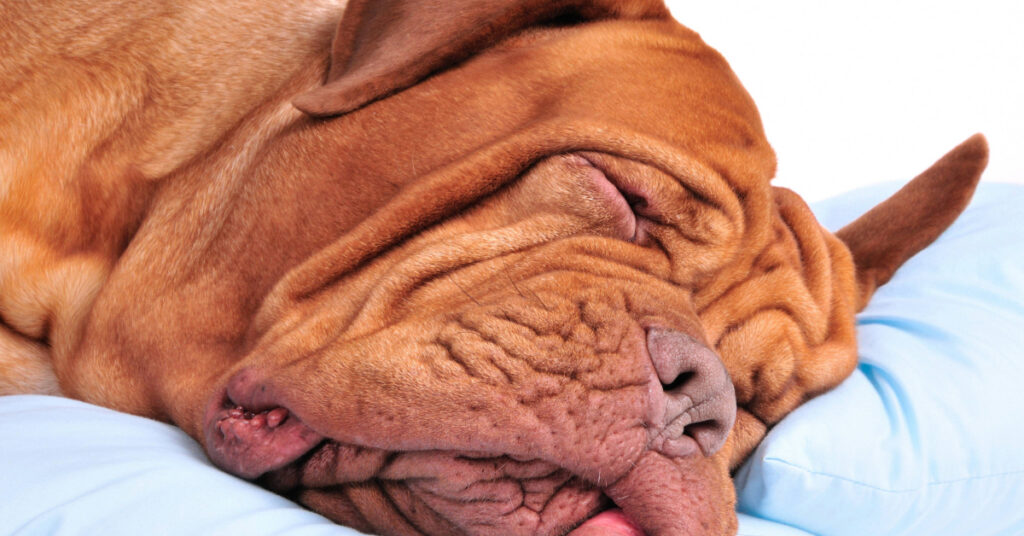
A quiet evening at home can suddenly take a humorous turn when the soft rumble coming from across the room sounds suspiciously like a tiny chainsaw. Many pet owners look over at their sleeping dog and wonder the same thing: Is dog snoring normal? In many cases, dog snoring happens for the same reason people snore: airflow through the nose or throat becomes slightly restricted during sleep. Most of the time, it is harmless and simply part of how some dogs breathe while resting. However, dog snoring can sometimes point to underlying health concerns or anatomical traits that deserve a closer look. Understanding what causes dog snoring and when it may signal a concern helps you feel more confident about your pet’s health and comfort.
Why Do Dogs Snore?
Dog snoring typically occurs when airflow becomes partially blocked while a dog sleeps. As air moves through narrowed nasal passages or soft tissues in the throat, it creates vibrations that produce the familiar snoring sound. Many factors can influence whether a dog snores occasionally or frequently.
Sometimes dog snoring simply reflects your pet’s sleep position. When a dog curls up tightly or sleeps on their back, soft tissues in the airway can relax and temporarily restrict airflow. Other dogs snore because of physical traits, such as shorter snouts or thicker soft palates, which naturally make breathing slightly noisier during sleep.
Environmental factors can also play a role. Dust, seasonal allergens, and dry air may irritate nasal passages and contribute to mild airway congestion. Dogs that spend time outdoors during pollen-heavy seasons, for example, may snore more at certain times of year.
Common reasons dogs snore include:
- Sleeping position changes that compress the airway
- Nasal congestion from mild irritation or environmental allergens
- Body weight changes, which can add pressure around the airway
- Breed-related anatomy, especially in dogs with shorter muzzles
- Temporary inflammation from colds or mild respiratory irritation
In many situations, occasional dog snoring does not signal a health issue. Dogs that snore only when sleeping deeply or in certain positions often experience normal airway relaxation during rest. However, frequent or loud snoring can sometimes indicate a problem affecting airflow.
Certain Breeds Are More Prone to Snoring
Some dogs snore more often because of their facial structure. Breeds with shorter noses, commonly called brachycephalic breeds, naturally have narrower airways. These anatomical differences can make airflow noisier during sleep.
Dogs commonly associated with more frequent snoring include:
- Bulldogs
- Pugs
- Boston Terriers
- Shih Tzus
- Boxers
These breeds often have shortened nasal passages, elongated soft palates, or slightly narrowed nostrils. These structural traits can contribute to the rumbling sounds many pet owners hear when their dog sleeps.
Even though snoring may be expected in these breeds, it still helps to monitor any changes. A sudden increase in snoring or breathing noise may suggest swelling, infection, or another airway concern that deserves attention.
Health Conditions That Can Cause a Dog to Snore
Although many cases of dog snoring are harmless, certain health conditions can contribute to airway obstruction. These situations may affect breathing comfort and deserve veterinary evaluation.
Possible medical causes of dog snoring include:
- Upper respiratory infections, which cause swelling and mucus buildup
- Nasal mites or irritants that inflame nasal tissues
- Polyps or growths within the nasal cavity
- Dental disease affecting sinus areas
- Obesity, which adds pressure around the airway
If your dog snores loudly, wakes frequently during sleep, or struggles to breathe comfortably, a veterinary exam helps determine whether additional diagnostics are needed. Our team at Berthoud Animal Hospital works with pet owners to identify the cause and determine the next steps for evaluation.
When Should I Be Concerned About My Dog Snoring?
Occasional dog snoring usually does not require concern. However, changes in breathing sounds can sometimes indicate an underlying issue affecting the airway or respiratory system. Paying attention to patterns can help you determine when it may be time to schedule an exam.
If your dog has always snored lightly while sleeping, that may simply be their normal breathing pattern. But if snoring suddenly appears or becomes significantly louder, it may signal something new affecting airflow.
Pet owners often ask, “When is dog snoring a sign of a health problem?” The answer depends on the symptoms accompanying the snoring. Certain warning signs may indicate that your dog’s airway is becoming restricted or irritated.
Signs that snoring may require veterinary evaluation include:
- Snoring that suddenly begins or worsens
- Loud snoring combined with breathing pauses
- Snoring accompanied by coughing or sneezing
- Labored breathing during sleep or while awake
- Changes in energy levels or exercise tolerance
- Nasal discharge or swelling around the face
Dogs experiencing these symptoms may have conditions such as nasal inflammation, respiratory infections, foreign objects in the nasal passage, or structural airway abnormalities.
How To Stop a Dog from Snoring
If your dog’s snoring appears mild and occasional, a few simple adjustments at home may reduce nighttime noise and improve breathing comfort. These changes focus on supporting healthy airflow and reducing potential irritants in your pet’s environment.
Many pet owners find that improving sleep posture or environmental conditions helps minimize dog snoring. Small changes often make a noticeable difference.
Some steps that may reduce dog snoring include:
- Adjusting your dog’s sleeping position by providing supportive bedding
- Keeping sleeping areas clean to reduce dust and allergens
- Maintaining a healthy body weight through regular exercise and balanced nutrition
- Using humidified air if indoor environments become very dry
- Regular veterinary wellness exams to monitor respiratory health
Elevated or orthopedic pet beds can sometimes improve airway positioning by supporting the neck and shoulders. Some dogs snore less when their head rests slightly higher than their body.
When a Veterinary Visit May Be Needed
If dog snoring persists despite simple changes, a veterinary exam helps rule out medical causes. During a visit, our team evaluates breathing patterns, nasal passages, oral structures, and overall respiratory health.
A veterinarian may recommend diagnostic tools to investigate the source of airway restriction. These may include imaging studies, nasal exams, or other assessments designed to identify structural issues or inflammation.
Early evaluation provides clarity for pet owners who are unsure whether their dog’s snoring falls within a normal range. Addressing potential problems sooner can also prevent breathing issues from progressing.
For pet owners in Berthoud and surrounding communities, scheduling a wellness exam offers an opportunity to discuss sleep-related breathing sounds, behavior changes, or any concerns about respiratory health.
When Your Dog’s Snoring Deserves a Closer Listen
Snoring often becomes part of a pet’s personality. Many pet owners even find the sound comforting once they realize it is simply part of their dog’s sleep routine. In many cases, snoring reflects relaxed muscles and normal airflow changes during deep sleep.
However, noticeable changes in dog snoring can provide useful clues about your pet’s health. Monitoring patterns, watching for additional symptoms, and discussing concerns with a veterinarian ensures your dog continues breathing comfortably.
If your dog’s snoring has recently changed, grown louder, or started unexpectedly, a conversation with your veterinarian can provide clarity. The team at Berthoud Animal Hospital is happy to evaluate your pet’s breathing and answer questions about respiratory health.
To schedule an exam, call 970-532-2726 or book an appointment online. Our team is here to help keep your dog comfortable, healthy, and sleeping soundly.