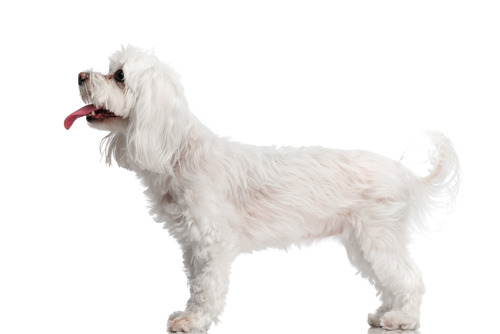
Dogs pant for many reasons, but when your dog seems to pant all the time, it’s natural to wonder what’s normal and what might need attention. Panting is one of the most common behaviors dog owners notice, and while it often looks harmless, there are times when it can signal something more. If you’ve ever found yourself asking why your dog pants so much or if constant panting is something to be concerned about, this blog will help you understand the possibilities. By learning more about dog panting, you’ll feel more confident about when to reach out to Berthoud Animal Hospital for help.
Why Do Dogs Pant?
Dog panting is a natural behavior that helps regulate body temperature and keep a dog comfortable. Unlike humans, dogs don’t sweat in the same way. Their primary cooling system relies on evaporating moisture through panting, which circulates air over the moist surfaces of the tongue, mouth, and upper respiratory tract. This simple process helps lower body heat.
Panting is also a way for dogs to respond to excitement, stress, or physical exertion. A playful game of fetch, a walk on a warm Colorado afternoon, or even the excitement of greeting their family can lead to panting. In most cases, these episodes are short-lived and resolve once the dog calms down or rests. However, not all panting fits into the “normal” category. Understanding what is typical versus what may be concerning requires looking at context, intensity, and frequency.
Normal vs. Excessive Dog Panting
While dog panting is often expected, there are times when it appears excessive. Knowing the difference helps pet owners decide whether it’s something to monitor or something to address more urgently.
Normal Panting
Normal panting is usually:
- Triggered by heat, exercise, or excitement
- Rapid but controlled
- Accompanied by a relaxed body posture
- Temporary and stops once the trigger ends
Excessive Panting
Panting may be excessive when:
- It occurs without an obvious reason, like heat or activity
- It continues for long periods
- It sounds louder, harsher, or more labored than usual
- It happens at rest or during the night
- It appears alongside other changes such as restlessness, drooling, or lethargy
Recognizing excessive panting can help you act sooner rather than later, especially if the behavior is new for your dog.
Why Does a Dog Pant?
There are many explanations for dog panting, ranging from everyday situations to conditions that may require veterinary attention.
Temperature Regulation
Dogs rely on panting to stay cool, particularly in hot climates or after exercise. In a place like Berthoud, CO, warm summer days can make panting more frequent. Short-nosed breeds like Bulldogs or Pugs may pant more heavily since their airways make cooling less efficient.
Excitement and Stress
Dogs often pant when they’re excited or anxious. Visiting the veterinary clinic, hearing fireworks, or even anticipating mealtime can all trigger panting. This type of panting usually subsides once the dog feels secure again.
Pain or Discomfort
Panting can also be a response to discomfort. Since dogs can’t communicate verbally, panting may be one of the ways they show something is wrong.
Age and Health Factors
Older dogs may pant more often than younger dogs. Age-related changes, weight gain, or underlying health concerns can all make panting more frequent.
Medication Side Effects
Certain medications list panting as a side effect. If your dog has recently started a new prescription and you notice increased panting, it may be related.
When to Pay Close Attention to Dog Panting
Dog panting should not always be dismissed as “just normal.” Some signs suggest it may be time to schedule an exam with the experts at Berthoud Animal Hospital.
Signs That May Indicate a Concern
- Panting that appears sudden and unexplained
- Panting combined with coughing, wheezing, or unusual breathing sounds
- Panting at night or while resting indoors in a cool environment
- Panting that’s accompanied by behavioral changes like restlessness or pacing
- Excessive drooling or difficulty settling down
When you see these changes, it’s a good idea to call (970) 532-2726 to schedule a visit at Berthoud Animal Hospital. Our team can examine your dog and help determine the reason for the panting.
Environmental Factors That Affect Dog Panting
Sometimes dog panting is influenced by surroundings and lifestyle.
Weather and Climate
Colorado weather brings both hot summers and cold winters. In warmer months, dogs pant more often, especially during outdoor activities. Dogs with thick coats may pant even on milder days.
Indoor Conditions
Even inside, temperature and humidity can affect panting. If your home is warm or lacks airflow, you may notice your dog panting more.
Activity Levels
Active dogs, working dogs, or those with lots of energy may pant more simply because they’re moving more. By considering the environment, pet owners can better understand whether panting fits the situation.
Dog Panting in Different Breeds
Not all dogs pant in the same way. Breed characteristics can influence how much panting occurs.
Brachycephalic Breeds
Short-nosed breeds like Bulldogs, Pugs, and Shih Tzus are more prone to panting. Their airway structure makes breathing less efficient, so panting can appear heavier.
Large Breeds
Larger dogs, such as Labrador Retrievers or German Shepherds, may pant more during activity or in warm weather simply because their bodies generate more heat.
Double-Coated Breeds
Dogs with thick double coats, like Huskies or Newfoundlands, often pant more in warm weather. Their coats are designed for insulation, which makes cooling off harder. Understanding breed differences helps set expectations for what “normal” panting might look like for your dog.
How Berthoud Animal Hospital Evaluates Dog Panting
If your dog’s panting seems unusual, your veterinarian will look at several factors to determine the possible cause.
History and Symptoms
Your veterinarian may ask about your dog’s routine, recent activities, and when the panting started. Information about diet, medications, and lifestyle helps form a clearer picture.
Physical Examination
During an exam, your veterinarian listens to the heart and lungs, checks for signs of discomfort, and evaluates body condition.
Additional Testing
Depending on findings, further tests such as blood work, imaging, or heart evaluation may be recommended. These tools help identify if there is an underlying issue contributing to the panting.
Supporting Your Dog Through Panting Episodes
While you cannot always prevent panting, you can make your dog more comfortable when it occurs.
- Provide a Calm Environment: If panting is stress-related, a quiet and familiar space often helps.
- Monitor Triggers: Keep track of when panting happens. Patterns can help your veterinarian determine the cause.
- Schedule a Veterinary Visit: If you’re concerned about your dog’s panting, calling Berthoud Animal Hospital at (970) 532-2726 to schedule an appointment is the best way to get answers.
Dog panting is common, but it isn’t always simple. Sometimes it’s a sign of heat, excitement, or activity, and other times it may signal that something more is happening. By learning the difference between normal panting and excessive panting, you can better understand your dog’s needs. If your dog’s panting seems unusual, Berthoud Animal Hospital is here to help. Call us at (970) 532-2726 or book an appointment online to have your dog evaluated. Our team is dedicated to supporting your pet’s comfort and health so they can enjoy life with you to the fullest.