You may be relaxing on the couch when your cat climbs onto your lap and begins rhythmically pressing their paws into a blanket, or directly into you. Many pet owners call this behavior “making biscuits,” but veterinarians know it as cat kneading, a natural behavior that most cats display at some point in their lives. Cat kneading often reflects comfort, instinct, or communication. While the motion may look unusual, it usually signals that a cat feels safe and content. Understanding why cats knead can help you better interpret your cat’s behavior and strengthen the bond you share. If you ever have questions about your pet’s habits or health, our team welcomes you to call 970-532-2726 or book an appointment online.
Why Do Cats Knead Their Paws?
When cats knead, they push their front paws alternately into a surface in a slow, rhythmic motion. This movement may look simple, but cat kneading behavior has several possible explanations rooted in instinct and early development. Most veterinarians view kneading as a normal behavior that connects a cat’s present comfort with instincts formed in kittenhood.
One of the earliest reasons for cat kneading begins when kittens nurse from their mothers. Young kittens knead their mother’s belly to help stimulate milk flow while feeding. This repetitive paw motion becomes associated with warmth, nourishment, and safety. Even after cats grow up, the same instinct can resurface when they feel relaxed or secure.
Cats may also knead to mark territory. Their paws contain scent glands that release subtle pheromones. When a cat kneads a surface, they leave behind a scent marker that signals familiarity and ownership. From your cat’s perspective, kneading a blanket, cushion, or even your lap may be a way of saying, “This is my comfortable place.”
Some cats knead simply because it feels physically satisfying. The motion stretches the muscles in their legs and paws while helping them settle into a comfortable resting position.
Common reasons for cat kneading behavior include:
- A comforting habit carried over from kittenhood
- Marking territory using scent glands in the paws
- Preparing a soft place to rest or sleep
- Stretching muscles and releasing tension
- Expressing relaxation and contentment
For most cats, kneading is simply part of their personality and daily routine.
Why Do Cats Knead Blankets?
If you’ve noticed your cat kneading a soft blanket or favorite throw pillow, you’re not alone. Soft fabrics tend to trigger cat kneading instincts, which may connect to the textures cats associate with comfort and warmth.
In the wild, cats often prepare sleeping spots by pressing down grass or leaves to create a comfortable resting area. The kneading motion may be a leftover version of this instinct. When your cat kneads a blanket before settling down, they may be performing a miniature version of that natural behavior.
Texture also plays a role in kneading preferences. Many cats show a strong attraction to plush materials such as fleece, wool, or thick blankets. These materials feel similar to their mother’s fur, which may trigger comforting memories from kittenhood.
Another reason cats knead blankets involves routine. Cats are creatures of habit, and kneading often becomes part of their winding-down ritual before sleep.
You may notice kneading happening during specific moments such as:
- Right before your cat curls up for a nap
- While purring and relaxing beside you
- After climbing onto a soft surface
- During evening quiet time in the home
This type of cat kneading on blankets typically reflects comfort and relaxation rather than any cause for concern.
Why Do Cats Knead You?
Many cat owners eventually ask the same question: Why does my cat knead me? While the sensation of tiny paws pressing into your lap can be charming, or occasionally uncomfortable, it usually signals trust.
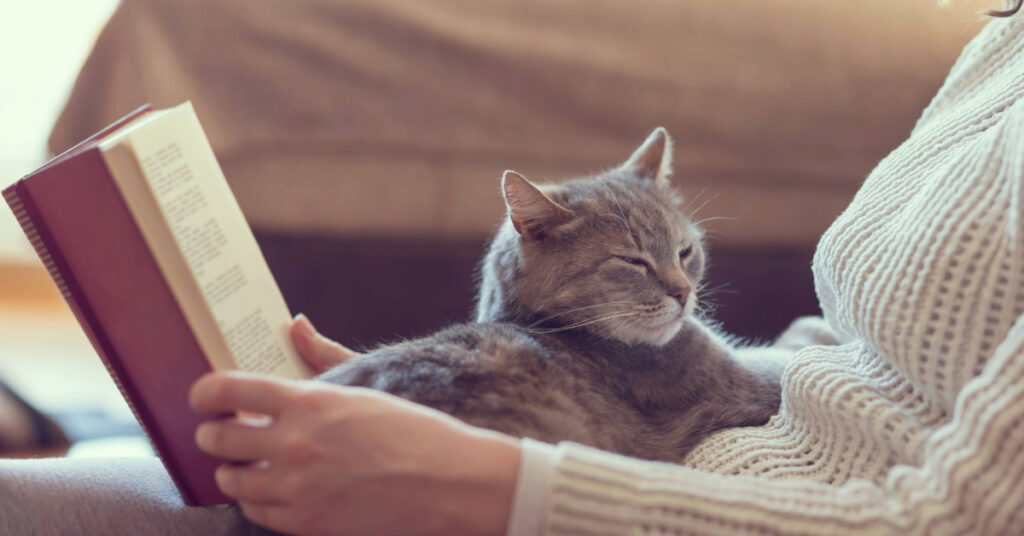
Cats often knead their favorite people for the same reasons they knead blankets. Your warmth, scent, and presence create a safe environment where your cat feels relaxed. From your cat’s perspective, kneading you may simply be an extension of the same comforting behavior.
Affection and Bonding
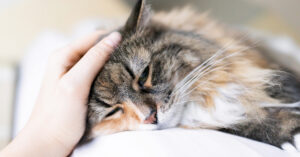
When cats knead their owners, they often pair the motion with purring, slow blinking, or settling down beside them. These behaviors indicate that the cat feels calm and secure. Many veterinarians interpret kneading as a social behavior that strengthens a cat’s bond with their owner.
Cats also mark their trusted humans with scent when they knead. This subtle scent marking allows cats to identify familiar individuals in their environment. In multi-pet households, kneading may help a cat reinforce their connection with specific people.
Attention-Seeking Behavior
Some cats knead to get attention. If kneading in the past led to petting, praise, or a comfortable resting spot, your cat may repeat the behavior to encourage interaction.
You might see your cat kneading you when they want:
- Gentle petting or affection
- A warm lap to nap on
- Reassurance in a calm moment
- A familiar bedtime routine
Although kneading can sometimes involve sharp claws, the behavior itself usually reflects positive emotions.
Should You Be Concerned About a Cat Kneading?
In most situations, cat kneading is a normal feline behavior and does not indicate a medical problem. Cats knead when they feel relaxed, safe, and content in their environment.
However, pet owners occasionally wonder if kneading could signal stress or anxiety. While uncommon, some behavioral changes may warrant a conversation with your veterinarian.
You may want to monitor kneading if it appears alongside unusual behaviors such as:
- Sudden changes in appetite or energy levels
- Excessive vocalization or restlessness
- Overgrooming or hair loss
- Repetitive behaviors that seem compulsive
- Signs of discomfort when touched
A veterinarian can help determine whether a behavioral change relates to stress, environment, or another underlying issue.
How To Stop a Cat From Kneading
Because kneading is instinctive, completely stopping the behavior usually isn’t necessary or realistic. Instead, most veterinarians recommend managing or redirecting kneading when needed.
At Berthoud Animal Hospital, we encourage pet owners to focus on creating comfortable alternatives rather than discouraging natural feline behaviors.
One helpful approach involves providing designated kneading spots. Soft blankets, cat beds, or plush mats can become appealing places for your cat to knead and relax.
If your cat frequently kneads your lap with claws extended, you might try gently moving them to a nearby blanket. Cats often accept this change when the new surface feels equally comfortable.
Helpful strategies for managing cat kneading behavior include:
- Offering soft blankets or bedding for kneading
- Keeping nails trimmed to reduce scratching
- Using calm redirection instead of punishment
- Creating relaxing spaces where your cat can settle comfortably
Consistency helps cats adapt to new routines, so gentle guidance usually works better than abrupt corrections.
The Comfort Behind the “Biscuits”
For many cat owners, watching their pet knead a blanket or settle into their lap becomes one of the most endearing parts of living with a cat. Cat kneading reflects comfort, instinct, and trust, all wrapped into a simple rhythmic motion.
While the behavior may look mysterious at first, it often reveals that your cat feels secure in their environment. Kneading connects cats to their earliest memories of warmth and safety while allowing them to mark the spaces and people they value most.
If you ever have questions about your cat’s habits or behavior, the team at Berthoud Animal Hospital in Berthoud, CO is happy to talk with you. Our veterinarians work with pet owners every day to understand feline behavior and promote lifelong health.
To schedule a visit or discuss your cat’s behavior, call 970-532-2726 or book an appointment online. Your veterinary team can provide guidance tailored to your cat and help you better understand the many ways cats communicate with the people they trust.